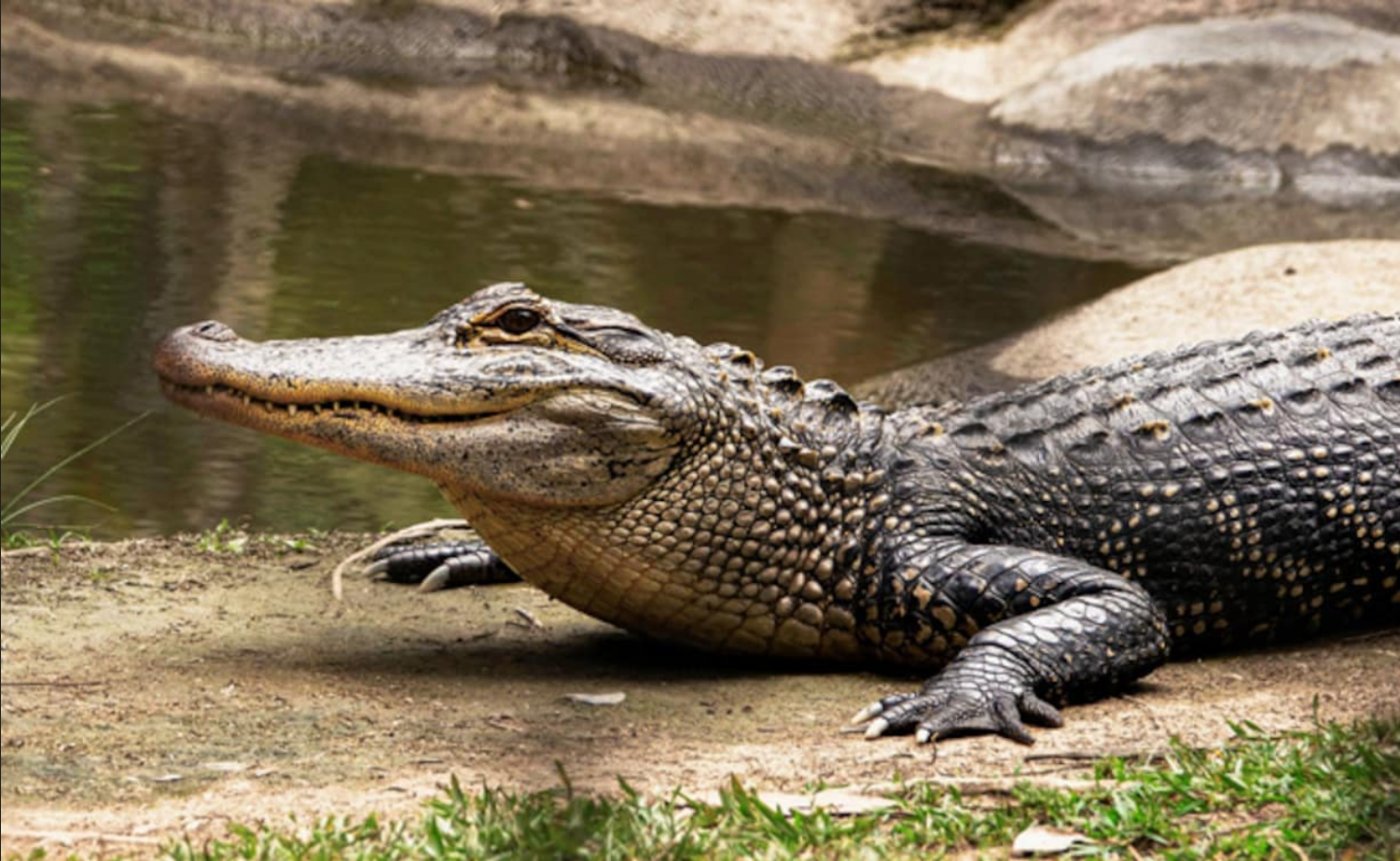
Paleontologists from the University of Zaragoza in Spain have unearthed a novel species of crocodile that coexisted with the last dinosaurs and laid the thickest eggs ever identified, as reported by Newsweek. The discovery was made in the Ribagorza region of the Huesca province in northeastern Spain by paleontologists working at the NOVA University Lisbon and the Catalan Institute of Human Paleoecology and Social Evolution.

The findings were detailed in a study published on July 21 in the peer-reviewed academic journal Historical Biology, and the university issued a statement about the discovery on Wednesday. Historical Biology is an international peer-reviewed publication focusing on original research and review articles related to the biology of extinct species and the history of life across geological time.
The researchers outlined the meticulous process of locating over 300 eggshell fragments near Biascas de Obarra in the Huesca municipality of Beranuy. The University of Zaragoza emphasized, “The fragments found correspond to the thickest crocodile shells ever discovered in the fossil record worldwide. Its discovery enhances the paleontological significance of the Ribagorza region and reaffirms its global importance in studying the end of the Cretaceous extinction.”

Experts date the eggshells to the Upper Cretaceous era, noting that the “fragments were part of the eggs laid by crocodiles that coexisted with the last Iberian dinosaurs at the end of the Cretaceous,” according to additional information from Newsweek.